American Tshirt Design Templates: Elevate Your Streetwear Brand
Beyond the Font: Building a Visual Identity with Design Templates
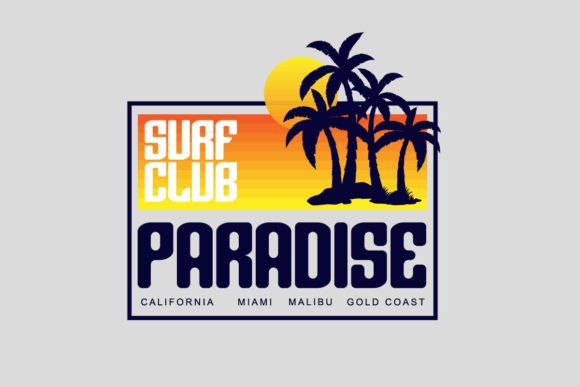
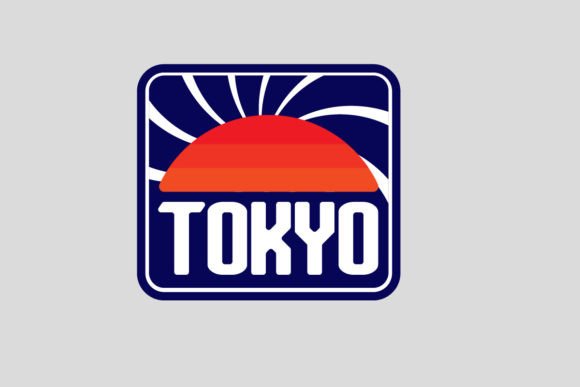
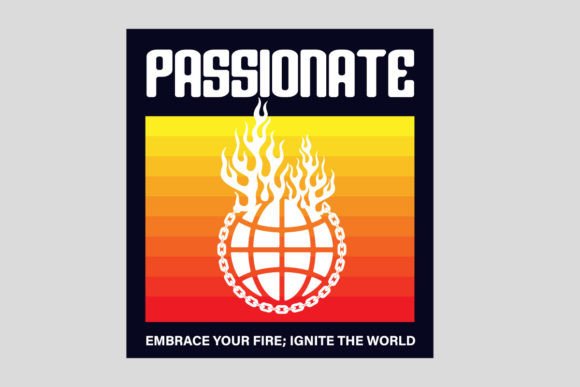
When you're building a clothing line or a merch brand, your graphic assets are your voice. It’s not just about finding a cool image; it’s about finding a cohesive system that speaks your brand’s language. American Tshirt Design Templates offer a specific kind of visual vocabulary, one built on the foundation of unique, aesthetic quote designs. These aren't just random words on a shirt; they are carefully crafted graphic statements. The personality of this collection is modern, expressive, and intentionally stylish. It taps into the current cultural conversation around streetwear, where typography and message are as important as the cut of the fabric. The overall appeal lies in its directness and its curated aesthetic, providing a ready-made starting point for creating apparel that feels both personal and professionally designed.
The visual characteristics of these templates lean into a contemporary design sensibility. You’ll find a mix of typographic styles—bold sans-serifs for impact, elegant scripts for a touch of sophistication, and sometimes gritty, textured letterforms for that authentic streetwear feel. This isn't a single typeface; it's a collection of design assets that work together. The "aesthetic" part of the description is key. It implies a deliberate artistic choice in the letterforms, the layout, and the integration of any supporting graphics. The personality is confident and current, perfect for a brand that wants to connect with an audience that values style and self-expression. It’s less about traditional corporate brand identity and more about crafting a distinct visual mood.
Where These Design Templates Truly Shine
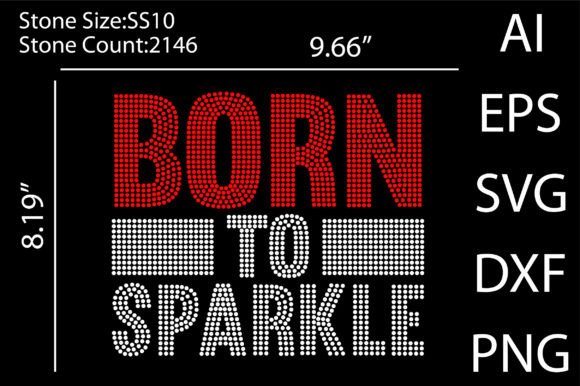
The primary application is, of course, custom printed clothing. These templates are engineered for that exact purpose. Think t-shirt sublimation, direct-to-garment printing, and heat transfers. The included high-resolution JPG files are print-ready, ensuring your final product looks sharp and professional. For a small business owner or a crafter using a print-on-demand service, this removes a major technical hurdle. You don't have to worry about file formats or resolution; the asset is ready to go. This makes them perfect for launching a limited run of streetwear, creating merchandise for a content channel, or even producing unique gifts.
Beyond the t-shirt, their utility extends across a range of merchandise. Consider the same quote design applied to tote bags, hoodies, or even poster prints. The vector source files are the real powerhouse here. Because they are in EPS format, you can open them in vector graphics software like Adobe Illustrator or Affinity Designer and have total control. This is where you move from using a template to making it your own. You can recolor the entire design to match your brand’s specific palette, scale elements without any loss of quality, or even extract a single word or graphic to use as a smaller accent on a sleeve tag or a pocket logo. This flexibility transforms the templates from a static product into a dynamic toolkit for your entire brand identity.
Practical Guidance for Designers and Entrepreneurs
So, how do you approach using these assets effectively? The first step is to evaluate the project fit. These templates are built for a specific aesthetic. If your brand is minimalist and corporate, this might not be the right starting point. But if you're targeting a market that appreciates bold graphics, expressive quotes, and modern street style, they are an ideal foundation. Before you even open the ZIP file, have a clear idea of your brand’s core message and visual direction. This will help you select the right quote and style from the collection.
Next, think about font pairing and integration. While the templates provide a complete design, you might want to incorporate other design assets or your existing logo. If you have a primary sans serif font for your brand, how will it interact with the script or handwritten elements in the template? The key is to ensure visual harmony, not conflict. Use the template’s aesthetic as a guide. If it’s a gritty, distressed design, pairing it with a clean, geometric sans serif font for your brand name can create a compelling contrast. The goal is to build a system, not just a single shirt. This is how you develop the kind of consistency that builds audience recognition and trust.
Finally, let’s talk about the files themselves. You will receive a compressed ZIP file. Extract it to access the EPS vector files and the high-resolution JPGs. Always start with the vector file. It gives you the most flexibility for editing and scaling. Use it to customize colors, adjust layouts, or combine elements from different templates. Once you’re happy with the design, you can export it to the format your printer requires, which is often a high-resolution PNG or JPG. Remember, the vector file is your master asset. Treat it as the core of your creative font and graphic toolkit, and it will serve you well across countless projects, from social media graphics to packaging design for your merchandise.